Headliner Magazine: Jesse Zuretti on 2XKO, Polyphia and bringing metal to Riot’s new fighting game
Words By
Alice Gustafson
“Polyphia + Jesse Zuretti = PURE GOLD” reads a comment under 2XKO's Let’s Go YouTube video – the official main theme for the new game from Riot, which is set in the Runeterra universe from League of Legends. For 2XKO’s composer Jesse Zuretti, the collaboration with the prog rock band was inevitable, and laid the groundwork for the 2v2 tag-team fighting game’s metal-infused score.
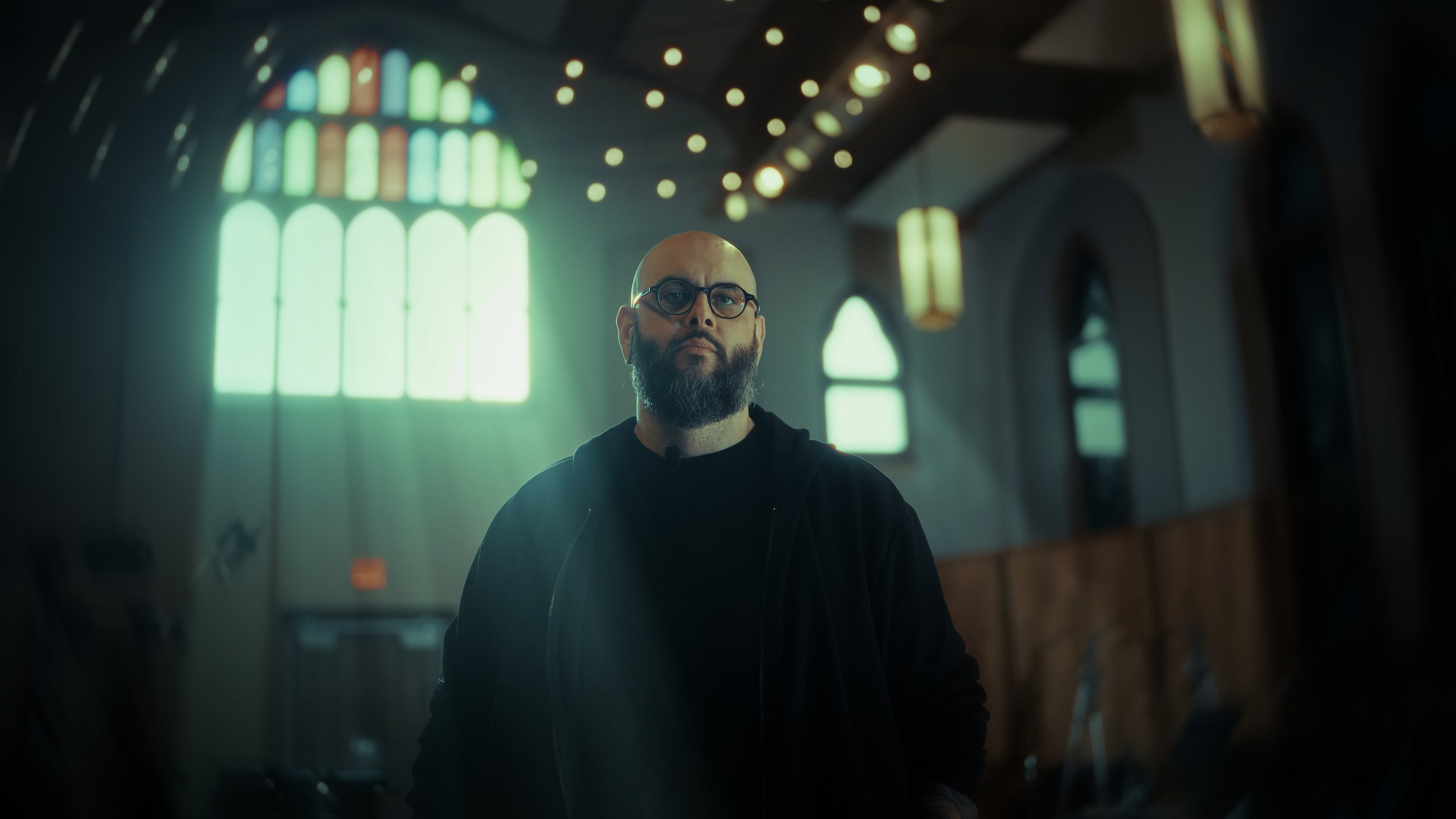
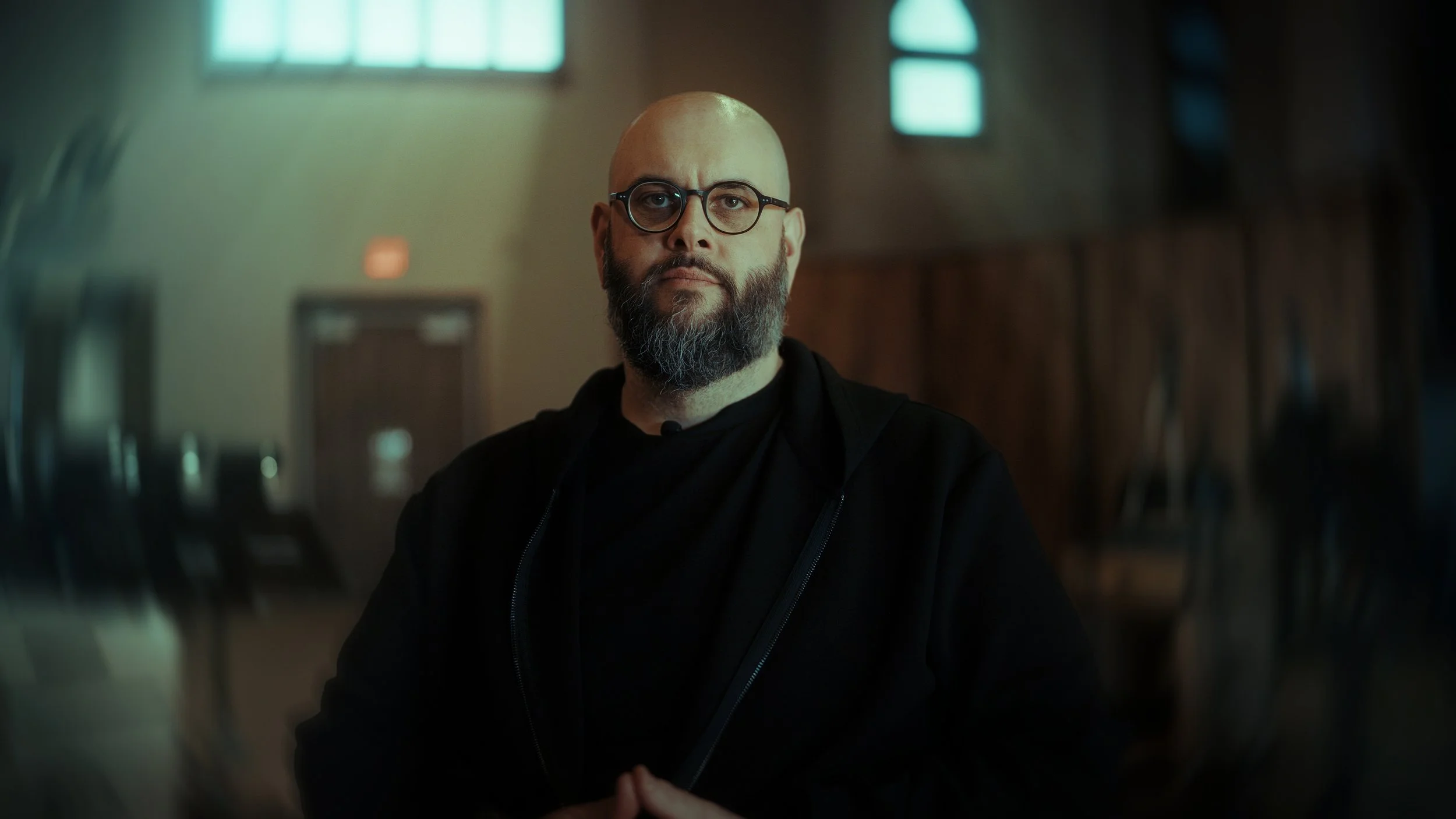
“When I started writing the main theme, I had no idea we’d end up working with Polyphia,” admits Zuretti, speaking to Headliner from his home in the greater Austin, Texas area. A lifelong metalhead, the composer drew on the US band as his first reference when he set about creating the sonic world of 2XKO, which was released in January 2026.
“At that point, they were just a reference,” he points out, “so when Riot mentioned Polyphia, it almost felt like someone had pulled the idea straight out of my head! I’d never said it out loud, but I'd thought how great it would be if they were actually involved. And that’s exactly what happened,” he laughs.
“That really speaks to Riot, who genuinely care about music and the artists behind it. It’s not about bringing someone in just to boost credibility; it’s a mutual exchange. Riot respects the artists, and the artists tend to genuinely connect with Riot. It feels natural, like a friendship where you click straight away.”
Despite this being his first-ever game score, any concerns Zuretti may have had about meshing the metal and game score worlds together quickly evaporated when he heard Polyphia’s take on his title track. “They elevated it completely,” he beams.
“Polyphia are very guitar-centric. They’re virtuosos, writing highly technical and impressive music, but it’s also very listenable and crosses into pop, hip hop, and metal, so it made sense straight away. There was a lot of trust involved with the artist; there wasn’t a lot of sitting down and nitpicking or a long list of timestamped notes. It was more like, ‘Let them do their thing.’ Very Breaking Bad – let them cook! And they did,” he grins.

There was a lot of trust involved with Polyphia, like: Let them do their thing. Very Breaking Bad – let them cook!
Zuretti is no stranger to challenging, high-profile projects. As an independent hybrid composer, he has worked across some of the most ambitious projects in modern game and entertainment music, including a long-standing collaboration with Marvel.
His work moves fluidly between dark fantasy, fever-dream horror, high-intensity action, sci-fi world-building, and emotional drama – always with a focus that music should make listeners feel, think, and want more of the story.
He first picked up the guitar and joined a band at 16, and from that point on, metal became less of a genre and more of a foundation for how he hears and builds sound. That background continues to shape Zuretti’s sound today, and he’s fiercely protective of the metal community.
“One of my goals since I started composing has been to open doors for people from the community I come from,” he shares. “I really believe in the musicians and the creative minds in the metal and heavier music world, and I think they have a lot to offer.”
Zuretti likens the gaming community to the metal fandom, recalling that just a few decades ago, gamers were looked upon as wasting their time, while people would cross the street to avoid anyone of the heavy metal persuasion.
“I don’t think anyone was crossing the street because someone was at home playing Super Nintendo all day,” he clarifies, “but if you looked like you listened to metal in the ‘90s or early 2000s, people made assumptions about you. The way the media portrayed metal fans wasn’t flattering, which is unfortunate, because some of the smartest, kindest, and most generous people I’ve ever met come from that world. It raised me.
"I see a lot of similarities between the game development community and the metal community, particularly in the support, friendships, shared perspective, and dedication to the craft. It feels very similar, and it’s the first time I’ve really felt at home since deciding to compose full-time.”
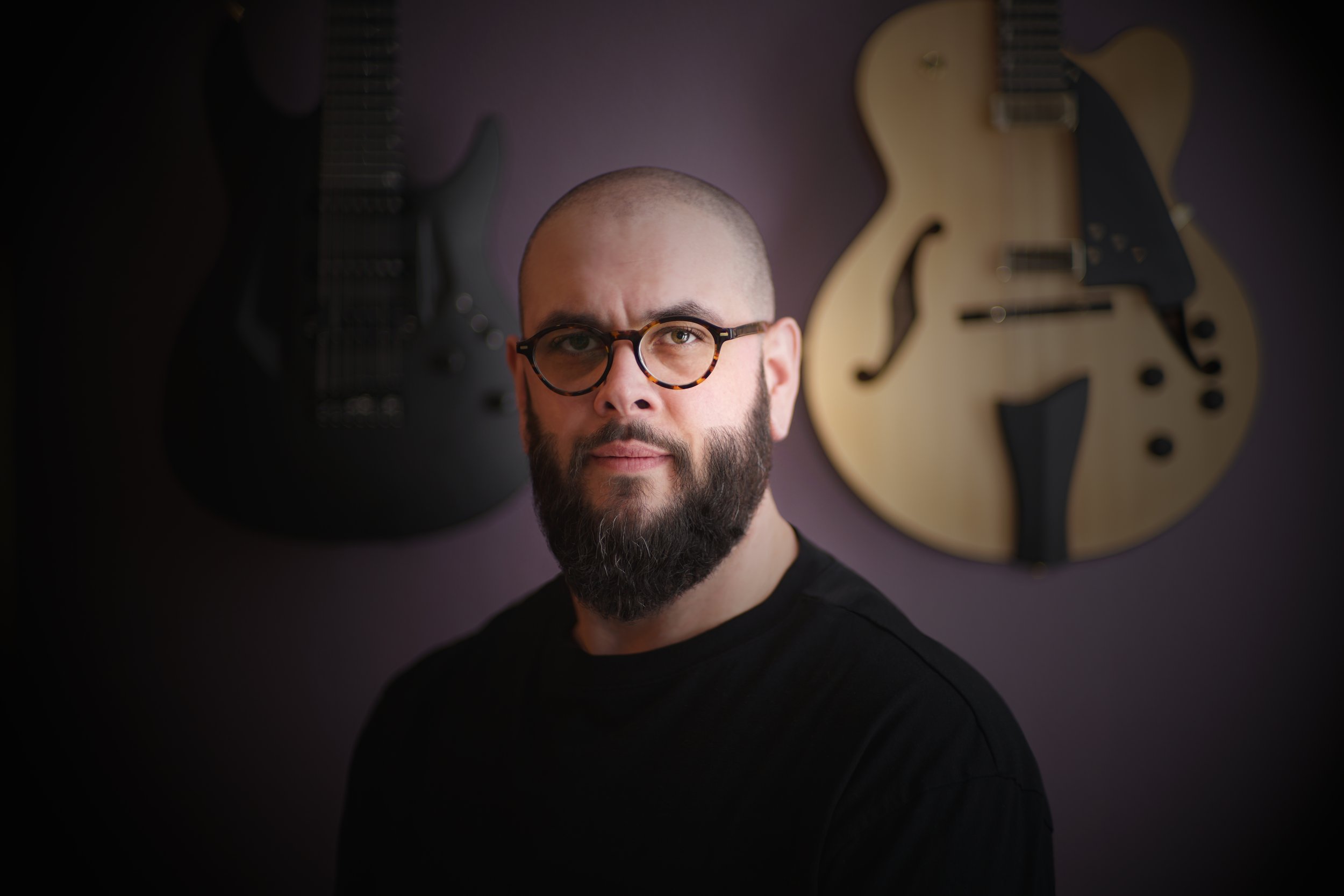

If you looked like you listened to metal in the ‘90s or early 2000s, people made a lot of assumptions about you.
Fast forward to today, and the global gaming industry is worth more than the film and music industries combined – projected to reach over $386 billion by 2026. Meanwhile, heavy metal bands are selling out arenas worldwide – proof that a genre once seen as niche has not only endured, but thrived.
“When I think about metal becoming as successful as it is now, and the game industry becoming more accepting of both, I feel a sense of relief,” says Zuretti. “I hope fewer kids have to deal with bullying because of what they’re into, especially on the metal side. When people criticised the genre, it felt like they were criticising my family – my community.
"It’s an integral part of my life and still is today. The same goes for games. Watching the industry grow the way it has is incredible. A lot of the criticism in the ‘90s probably came from misunderstanding, and maybe some fear about how big it could become. Clearly, that growth was inevitable!”
Riot’s own history with music began in 2014 with Pentakill, a virtual heavy metal band created alongside its in-house team and featuring artists like Mötley Crüe’s Tommy Lee and Danny Lohner of Nine Inch Nails. That early commitment to genre-driven storytelling helped set the stage for projects like 2XKO, where music plays a central creative role. The main challenge was making this fighting game soundtrack feel exactly right: instinctive, responsive, and tied to the action.
The score isn’t all metal, though, Zuretti insists: “We knew there would be characters that didn’t need metal, and that accounts for about half the soundtrack,” he explains. “I don’t even know what to call the overall sound; it’s almost its own thing. I’m always trying to find references that help define the palette. But it’s actually quite difficult to find anything that hits all the same notes as what we’re doing on 2XKO, because of how many elements we’re combining,” he furthers.
“Live orchestra and metal have been done before, but rarely alongside jazz fusion, anime influences, virtuoso playing, and hip hop all in one place.
“Some of the combinations sound strange on paper, but somehow they work. It’s a bit like combining ingredients that don’t seem like they should go together – something that might make you question it at first. That’s the goal: for people to hear something and think, ‘This is really cool; I’ve never heard anything like this before.’ That’s also one of our biggest challenges: bringing all these genres together in a way that feels cohesive, not disjointed – something that sounds intentional, like a single, unified piece of work.”
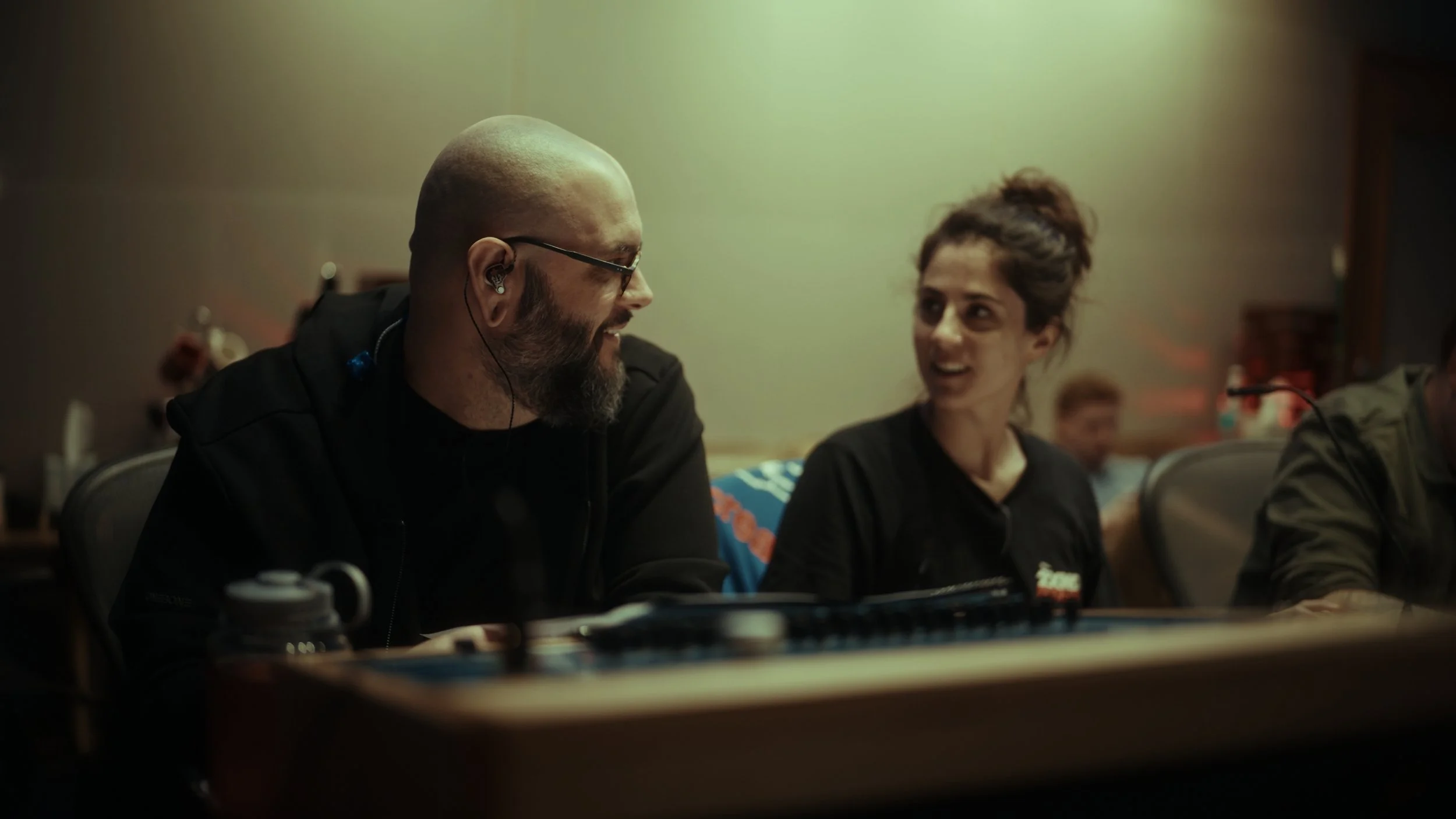
Live orchestra & metal have been done before, but rarely alongside jazz fusion, anime influences, virtuoso playing, & hip hop.
Gaming music soundtracks have evolved into a gargantuan, multi-billion-dollar industry of their own, driven by passionate fans who consume game audio as a primary form of music, and it’s become the norm to expect symphonic, cinematic scores that enhance gameplay and create cultural moments.
And the fighting game fandom has its own top-tier references, a common favourite being Guile’s Theme from Street Fighter, which has taken on an iconic status as one of gaming’s most recognisable and nostalgic tracks. These are facts that Zuretti was all too aware of when starting the project.
“It was incredibly intimidating, especially given the quality of soundtrack music today,” he acknowledges. “The ‘90s were more of an experimental phase – everyone was effectively a guinea pig, testing equipment and figuring out how things worked. A lot of the best game music came out of that period. That’s without even mentioning things like K/DA – a fictional K-pop group based on League of Legends characters – with billions of streams. It’s huge.
"Then there’s Arcane League of Legends, which has an incredible soundtrack and massive cultural impact. It’s all quite intimidating, and the fighting game community is very tight,” he considers. “It’s highly competitive, with a strong sense of camaraderie and passion. The fighting game community, in particular, is very protective of what it has, and rightly so. What I've learned is that Riot is one of the best studios in history for game music. They care about it on a level that really resonates with the music industry.”

The Tech Behind The Score
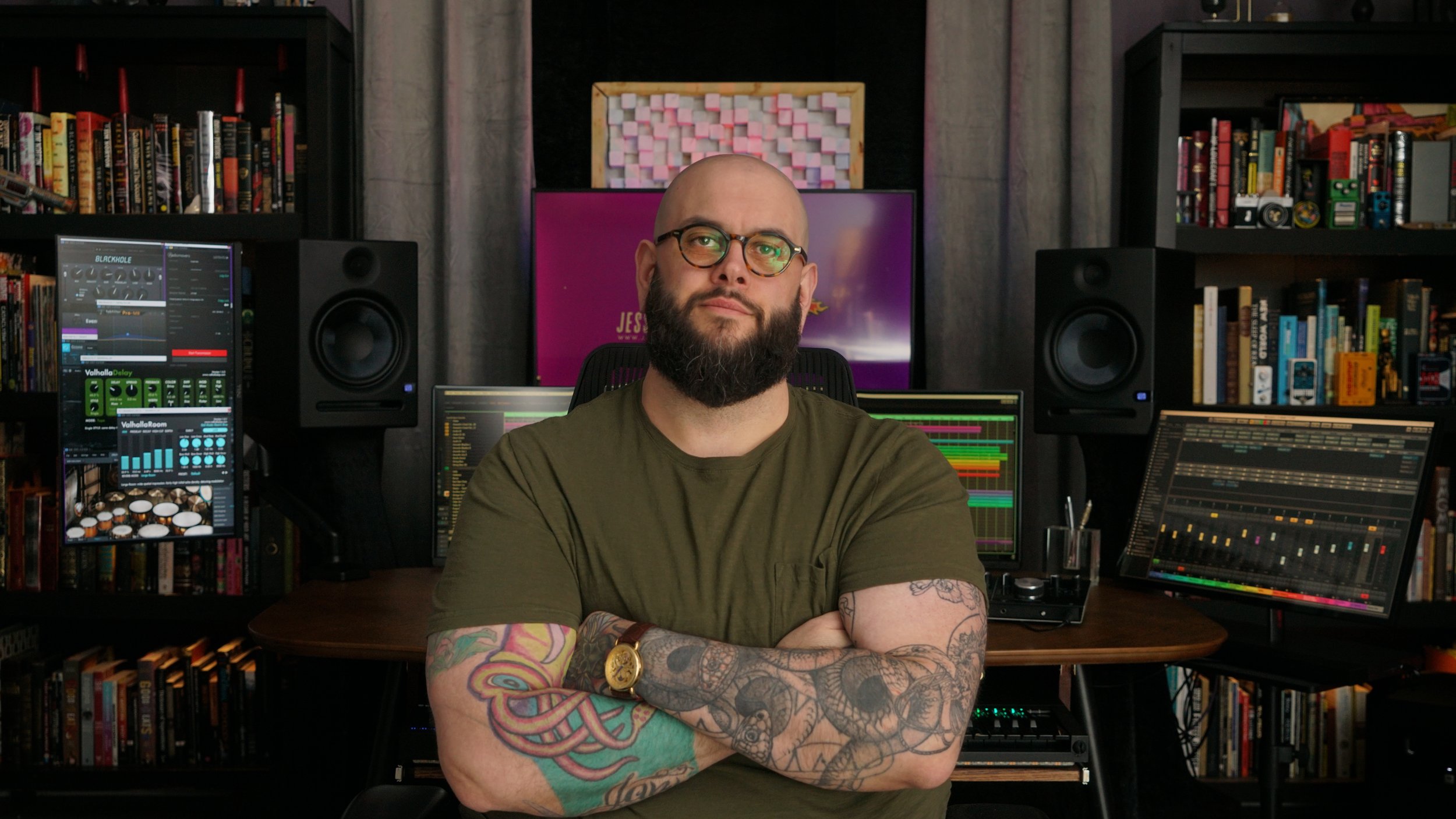
Zuretti’s constant companion in the studio is Steinberg's Cubase, which has been his DAW of choice for the last 10 years. He explains how it helped him move quickly between ideas, especially under the pressure of delivering for a major Riot title.
“Cubase opened up a lot of avenues for looking at music differently, and that happened almost immediately,” he says. “In 2017, I was writing a record for my band, and it was the first time I said to myself, ‘I want to add cinematic elements to this with intention.’ Cubase made that really easy to understand, especially the rhythmic side of things. Programming drums is something it really excels at, and the way it maps everything out is very intuitive. The compositional side was also straightforward for me.”
He shares that when working for different clients, he often has to switch to other DAWs when required, but that Cubase has given him the edge. “I’ll often write in Cubase and then transfer into other systems depending on what they need,” he elaborates.
“But I feel like I can work in any DAW because of Cubase. The layout makes sense in a way that feels like it understands creative flow and language. I can pick things up quickly because of how Cubase trained me to think. It’s a bit like being given an unabridged dictionary in Cubase, and then every other DAW is just a book I can read. It made everything easier.”
Zuretti is currently using Cubase 15, the most recent iteration of the software. “I installed it and was immediately like, “All these new tools are incredible.” Even in 14, I was getting comfortable and was already blown away by some of the features. They’re also one of the DAW developers whose content is really easy to understand. They do such a good job of explaining how everything works and why the upgrades matter.
"It doesn’t feel like features are just being added to push people to buy new versions; it genuinely feels like, ‘No, this is actually really useful. This is worth it.’ That’s been really important for me in terms of progression as a composer. At the end of the day, our biggest focus is saving time; we need to work efficiently and effectively. Cubase makes it very easy to troubleshoot issues and keep moving forward.”
It doesn’t feel like features are just being added to push people to buy new versions of Cubase; this is actually really useful.
Cubase 15 features built-in AI stem separation that splits stereo files into vocals, drums, bass, and other instruments directly from the audio menu, facilitating easy remixing and sampling creation by creating a folder of separated tracks, with options to mute the source. It’s one of Zuretti’s go-to features.
“Stem separation has been really useful for me,” he nods. “I use that quite a bit now. “With the type of work we do, we're not really able to use a lot of source audio directly for things, but I do like to study it. Being able to pull things apart, especially with SpectraLayers [a visual spectral editor], and take a more forensic look at what’s going on has really helped me improve as a mixer.
“But the newer updates – especially since version 14 – have taken my understanding of mixing to another level,” he stresses. “I’m able to deliver much more solid version-one demos because of these tools. Stem separation and SpectraLayers in particular let me look under the hood and really understand how things are built. The new plugins are great as well – the dynamic range compressor UltraShaper is incredible. I work with distortion quite a bit and often use it in unusual ways, and that’s a tool I’ve really enjoyed. Even the workflow updates feel meaningful. I see little improvements in the hub and overall flow every time it updates. It gives me this sense that I’m moving forward.”
This came in handy when deciding to change the music up. Zuretti shares that Riot is so invested in making 2XKO the best possible experience for gamers that he tweaked some of the music based on early feedback from fans.
“When I was writing Ahri’s theme, Race Across Ionia, we had released an alpha version of the game for people who signed up well before launch,” he recalls. “Someone on Reddit mentioned that, in fighting games, matches are often very short, especially at a competitive level. A round can be under a minute, maybe 90 seconds, so players might never hear the full track. They said they loved a particular section of the music but rarely got to it, and wished it came in earlier. We listened to that feedback and moved the section because of it. That’s how seriously we take what fans say.
"We really want them to enjoy the music, because we know how much it matters to them. Their response helps guide what we do next and keeps us focused on delivering the best possible experience. At the end of the day, they’re the ones playing the game – it's their experience,” he smiles.
Being able to pull things apart with SpectraLayers and take a more forensic look has helped me improve as a mixer.